Deskripsieng
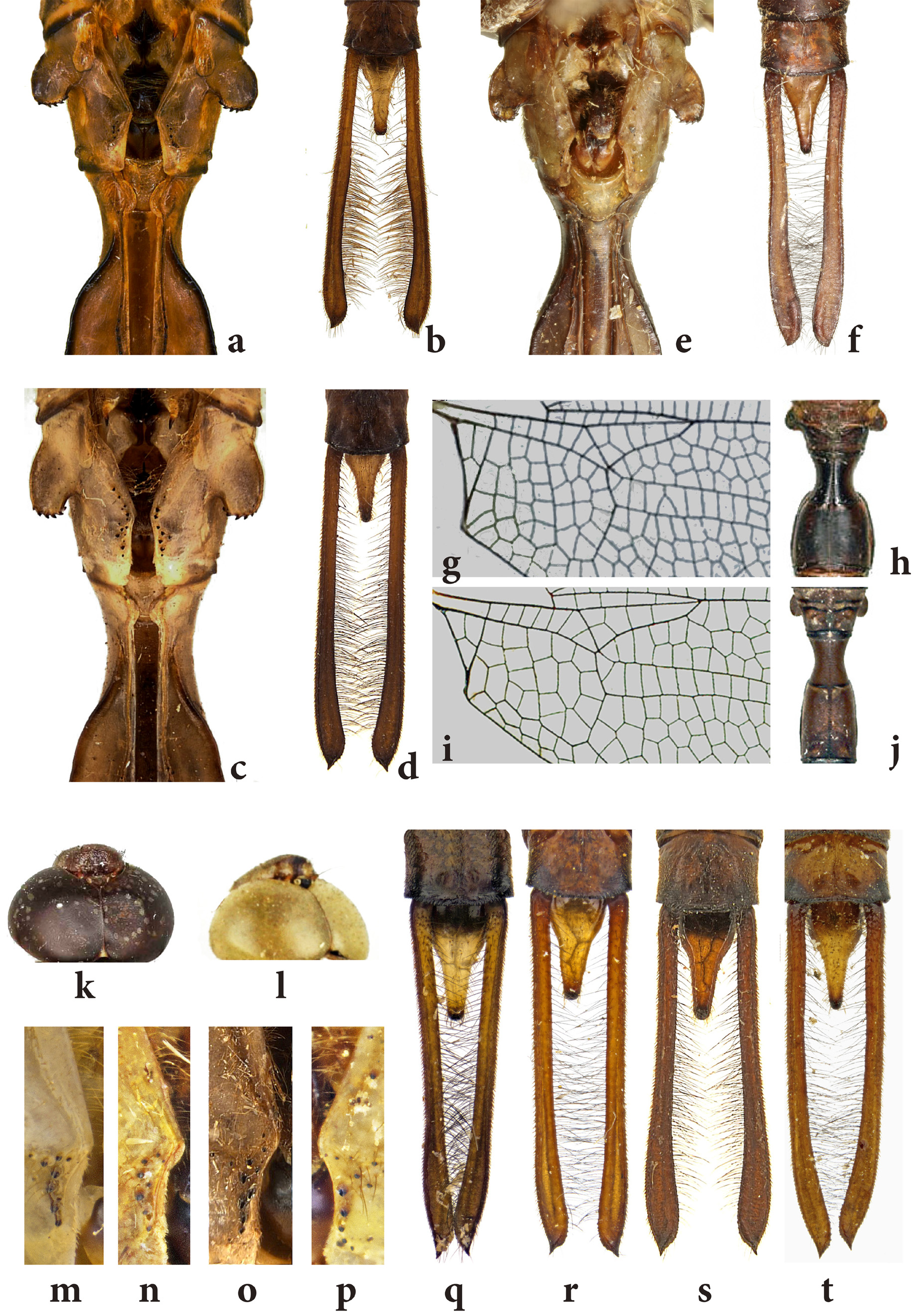
(Figs 2, 6 – 11, 15 – 21, 24 – 26, 30 – 32, 33 c, 34 c – g, 35 a – f, 36 e, 36 f, 36 k – t) Including G. apiaensis, G. stevensoni, and three species described here as new, one from Vanuatu and two from Fiji.
Sumber: The genus Gynacantha Rambur, 1842 in the South Pacific (Odonata: Anisoptera: Aeshnidae)
Deskripsieng
The male of G. rosenbergi (Figs 1, 3, 12, 21) can be identified among the hitherto available Australian / Papuan species of the genus by (1) a distinct constriction of abdominal segment 3 (i. e. a waist) anterior to a rather broad posterior portion of this same segment that is apically about as wide as, or wider than, segment 2 just posterior to the auricles, (2) by a particular range in number and arrangement of denticles along the genital fossa of segment 2, and (3) by long, slender, almost straight, slightly clubbed and pointed superior anal appendages that are approximately three times the length of the inferior appendage. These characters are shared with G. dobsoni Fraser, 1951 from Australia, G. amphora Marinov & Theischinger, 2012 from Solomon Islands, G. stevensoni from Tonga, G. apiaensis from Samoa and by all other material of Gynacantha material that has become available to us from the South Pacific islands. This suggests a fairly uniform, closely knit group. Examining these taxa and specimens in greater detail, including measurements and body proportions, provides strong evidence for two subgroups in the Gynacantha rosenbergi group: the G. rosenbergi group s. str. (Australia, Moluccas, New Guinea, Solomon Islands, New Caledonia) and the G. rosenbergi Pacific group (Pacific region). The two subgroups are morphologically distinct from each other (see Table 1) and may not overlap geographically. The Gynacantha rosenbergi group sensu stricto is defined here by the minimum waist width in S 3 being subequal to the greatest width of S 10 (ratio range 0.85 – 1.15), the longer superior anal appendages as compared to the width of S 10 (ratio range 3.74 – 4.10), the generally narrower inferior anal appendage (greatest width maximally ½ of posterior width of S 10) and by generally having no double cells in the proximal half between the veins CuP and A 1 of the hindwing. It includes the following species with distribution confirmed in the present study (see below): G. rosenbergi (north and north-east Australia, New Guinea, Moluccas, Aru Islands), G. dobsoni (northern and northeastern Australia and New Caledonia), and G. amphora (Solomon Islands). What we term the Gynacantha rosenbergi Pacific group is defined by the minimum waist width in S 3 being less than 0.75 the greatest width of S 10 (ratio range 0.59 – 0.72), the shorter superior anal appendages as compared to the width of S 10 (ratio range 3.07 – 3.55), the generally wider inferior anal appendage (greatest width more than 0.5 posterior width of S 10) and by a general trend (4 of 7 specimens) of having double cells in the proximal half between the veins CuP and A 1 of the hindwings. It includes G. apiaensis, (Figs 2, 11, 20, 30) known from Samoa, G. stevensoni (Figs 9, 19), known from Tonga, both confirmed here as good species, and nine specimens known to us from Vanuatu, Fiji including Koro, and Tonga. To identify males of the proposed species of the Gynacantha rosenbergi group sensu stricto wing venation, abdominal pattern, shape and proportions of abdominal segment 2 and 3, number range and arrangement of the denticles along the genital fossa plus shape and proportion of the anal appendages were used (Watson et al. 1991, Theischinger & Hawking 2006, Theischinger & Endersby 2009 and Marinov & Theischinger 2012). For this study the same characters are used to discriminate the species in the Gynacantha rosenbergi Pacific group. The ventral views of S 2 are compared (Figs 3 – 11), as well as the dorsal views of the male anal appendages (Figs 12 – 21) for all taxa of the Gynacantha rosenbergi group as listed below. Of these, shape and proportion of the anal appendages were found to be the least variable and most reliable morphological features to distinguish populations / species of different islands and island groups. In the subsequent diagnoses emphasis is therefore placed on accurate description and illustration, with a special focus on the male anal appendages. Only brief diagnoses are given for the already described species, with formal descriptions and diagnoses presented for the three distinct new species. The order of treatment of species follows the supposed geographic distributions from west to east.