
Distribusieng
Range: The distribution of this species ranges over the southern Korean Peninsula and Jeju Island (Son 2001; Fig. 39).
Sumber: Mammals of Korea: a review of their taxonomy, distribution and conservation status
Family Miniopteridae · Order Chiroptera
Data diperbarui secara berkala dari berbagai sumber observasi biodiversitas.
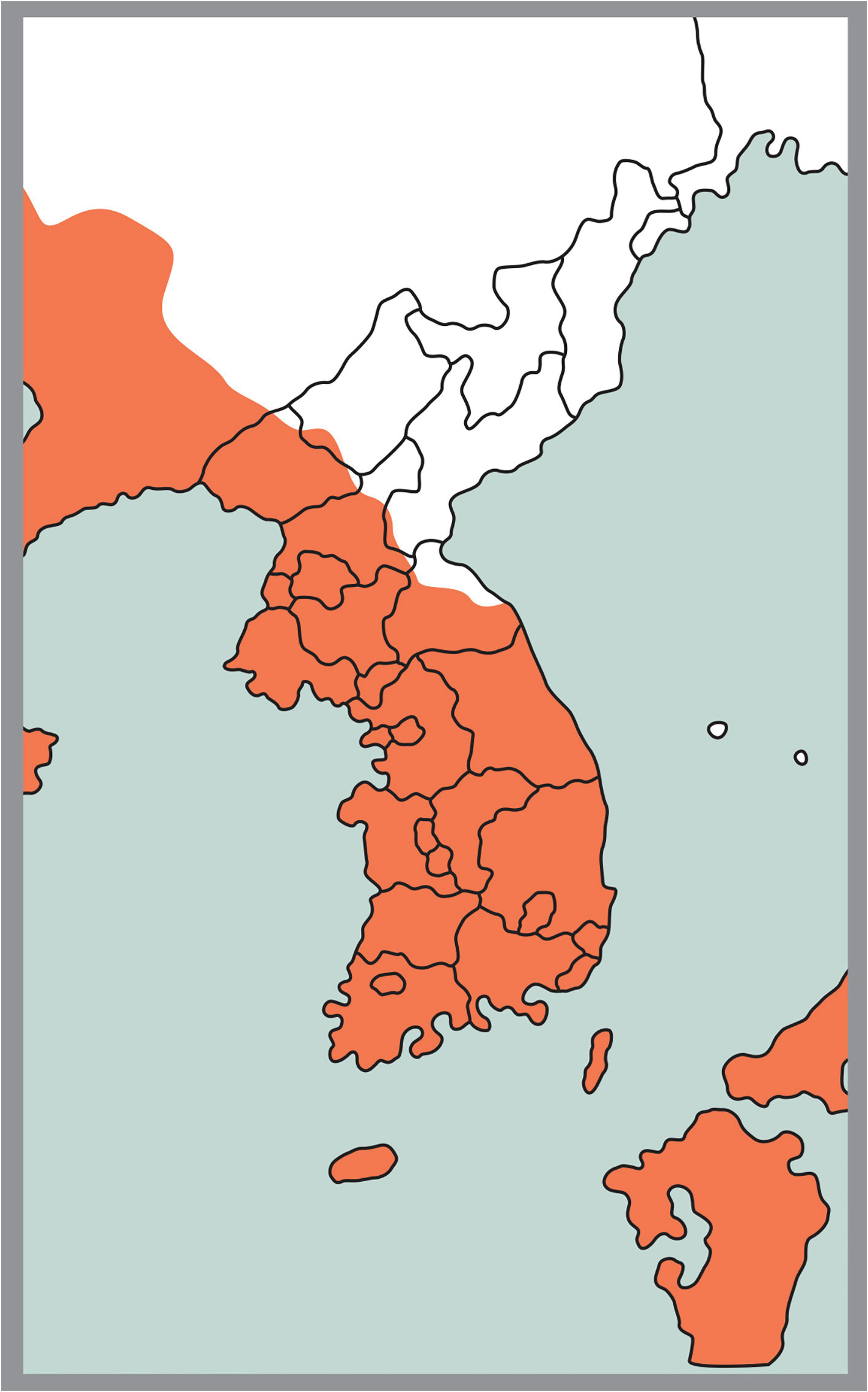
Foto: Jo, Yeong-Seok;Baccus, John T.;Koprowski, John L.
Otoritas penamaan: (Hodgson, 1835) (1835)
Status taksonomi: ACCEPTED
Status konservasi (IUCN): NE Belum Dievaluasi
Total Catatan di Indonesia
0
Provinsi Ditemukan
0
dari 38 provinsi
Catatan Pertama
0
tahun pertama tercatat
Tren Tahunan
-0%
-60.7% vs 2018
Asian Bent-winged Bat (Miniopterus fuliginosus) termasuk dalam famili Miniopteridae, ordo Chiroptera, kelas Mammalia. Berdasarkan data yang terhimpun, spesies ini telah tercatat sebanyak 39 kali di Indonesia, tersebar di 2 provinsi. Catatan pertama tercatat pada tahun 2018.
Jawa Barat merupakan provinsi dengan catatan observasi terbanyak untuk spesies ini, dengan 18 catatan (46.2% dari total). Data distribusi ini mencerminkan akumulasi dari berbagai kegiatan survei, penelitian, dan kontribusi citizen science. Pola distribusi yang tercatat mungkin tidak sepenuhnya menggambarkan persebaran alami spesies, karena dipengaruhi oleh intensitas pengamatan di masing-masing wilayah.
Tren observasi tahunan Miniopterus fuliginosus menunjukkan penurunan signifikan (-61%) pada periode terakhir dibanding tahun sebelumnya, dengan catatan pertama pada tahun 2018.
Catatan deskriptif tentang Miniopterus fuliginosus dari sumber literatur primer (via GBIF).
Range: The distribution of this species ranges over the southern Korean Peninsula and Jeju Island (Son 2001; Fig. 39).
Sumber: Mammals of Korea: a review of their taxonomy, distribution and conservation status
Habitat. Mostly temperate habitats from arid steppes in Afghanistan to wooded areas in China and Japan, more tropical habitats in southern India (wet evergreen forests) and Sri Lanka, and mainly lower hilly country in Sri Lanka from sea level to elevations above 2000 m (Himalayas).
Movements, Home range and Social organization. The Asian Long-fingered Bat probably has a metapopulation structure, like other temperate species of Miniopterus. Displacement of 200 km was recorded in Japan that is of similar magnitude to those known in Europe for Schreibers’s Long-fingered Bat between different refuges used by the same population. Breeding colonies of up to 12,000 individuals are known in Japan, consisting almost entirely of adult females. Hibernation colonies can have up to 83,000 individuals, although they are usually much smaller. The colony in Robbers’ Cave in Western Ghats, India, contains 100,000 - 200,000 individuals in the breeding period, and it includes females and males with no apparent sexual segregation. This colony is considered the “ mother colony, ” which contains individuals from other “ secondary colonies ” usually within 70 km of the mother colony.
Status and Conservation. Not assessed as a separate species on The [UCNRed List, where itis included under Schreiber’s Long-fingered Bat (M. schreibersii) as Near Threatened.
Descriptive notes. Head-body 47 - 65 mm, tail 44 - 61 mm, ear 8: 7 - 12 mm, hindfoot 7 - 12 mm, forearm 44 - 7 - 49 - 6 mm; weight 13 - 6 g (+ 1 - 1 g SD). Pelage of the Asian Long-fingered Bat is soft, velvety, and silky. Bases and tips of hairs are unicolored. Dorsal surface is blackish brown to gray-brown. Venteris slightly paler, usually dark gray-brown, and occasionally has a more or less reddish morph. Ears are short. Tragus is slightly curved forward. Membranes are dark, almost black. Dental formula for all species of Miniopterusis 12 / 3, C 1 / 1, P 2 / 3, M 3 / 3 (x 2) = 36. Chromosomal complement has 2 n = 46 and FN = 52 (Japan and China) or 2 n = 46 and FN = 54 (India).
Distribution. NE Afghanistan, N Pakistan, NW, N, NE & S India, Nepal, Sri Lanka, N Myanmar, N Vietnam, S, SE & E China, Taiwan, Korean Peninsula, extreme S Russian Far East, and Japan (except Hokkaido); it may occur in Bhutan and Bangladesh.
Nama-nama ilmiah lain yang pernah digunakan untuk Miniopterus fuliginosus dalam literatur taksonomi.
| Nama Sinonim | Otoritas | Status |
|---|---|---|
| Miniopterus schreibersii chinensis | Thomas, 1908 | SYNONYM |
| Miniopterus schreibersii fuliginosus | (Hodgson, 1835) | SYNONYM |
| Miniopterus schreibersii japoniae | Thomas, 1905 | SYNONYM |
| Miniopterus schreibersii parvipes | G.M.Allen, 1923 | SYNONYM |
| Vespertilio fuliginosa | Hodgson, 1835 | SYNONYM |
| # | Provinsi | Catatan | % |
|---|---|---|---|
| 1 | Jawa Barat | 18 | 46.2% |
| 2 | DI Yogyakarta | 1 | 2.6% |
Jumlah catatan observasi Miniopterus fuliginosus di Indonesia per tahun
Miniopterus fuliginosus
Foto: Jo, Yeong-Seok;Baccus, John T.;Koprowski, John L.
Miniopterus fuliginosus
Foto: Don E. Wilson;Russell A. Mittermeier
Miniopterus fuliginosus
Foto: Don E. Wilson;Russell A. Mittermeier
Miniopterus fuliginosus
Foto: Thomas, Nikky M.;Duckworth, J. W.;Douangboubpha, Bounsavane;Williams, Meredith;Francis, Charles M.
| Nama | Bahasa | Sumber |
|---|---|---|
| Asian Bent-winged Bat | Inggris | - |
| Asian Long-fingered Bat | Inggris | Integrated Taxonomic Information System (ITIS) |
| Asiatische Langfligelfledermaus | Jerman | Catalogue of Life |
| Eastern Bent-winged Bat | Inggris | - |
| Eastern Long-fingered Bat | Inggris | - |
| Minidptero | - | - |
| Minioptére fuligineux | Prancis | - |
Berdasarkan data 39 observasi, Jawa Barat adalah provinsi dengan catatan Asian Bent-winged Bat (Miniopterus fuliginosus) terbanyak — 18 observasi (46.2% dari total catatan di Indonesia). Spesies ini tersebar di 2 provinsi.
Catatan pertama Asian Bent-winged Bat (Miniopterus fuliginosus) di Indonesia tercatat pada tahun 2018. Hingga kini terdapat 39 catatan dari 2 provinsi, yang dihimpun dari survei lapangan, koleksi museum, dan platform citizen science.
Ya, Miniopterus fuliginosus memiliki 5 nama sinonim ilmiah, di antaranya: Miniopterus schreibersii chinensis, Miniopterus schreibersii fuliginosus, Miniopterus schreibersii japoniae. Nama sinonim adalah nama-nama lain yang pernah digunakan untuk spesies yang sama dalam literatur taksonomi.
Miniopterus fuliginosus diklasifikasikan sebagai berikut: Kingdom Animalia, Phylum Chordata, Class Mammalia, Order Chiroptera, Family Miniopteridae, Genus Miniopterus. Spesies ini dideskripsikan oleh (Hodgson, 1835).
38 titik observasi Miniopterus fuliginosus di Indonesia
Memuat peta...
Setiap titik merepresentasikan satu lokasi observasi yang tercatat. Klik titik untuk melihat detail.