
Family Molossidae · Order Chiroptera
Data diperbarui secara berkala dari berbagai sumber observasi biodiversitas.
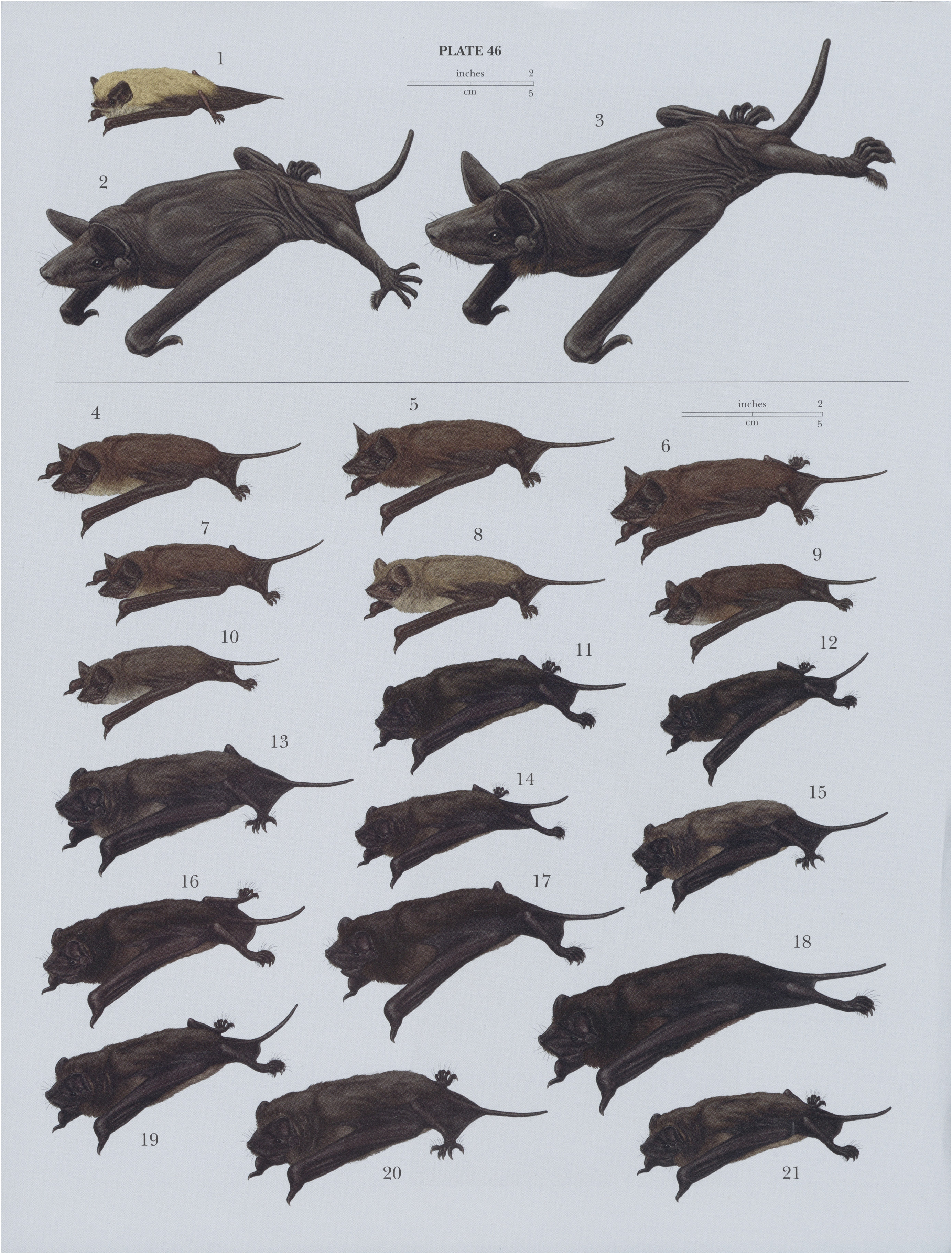
Foto: Don E. Wilson;Russell A. Mittermeier
Status taksonomi: ACCEPTED
Total Catatan di Indonesia
0
Provinsi Ditemukan
0
dari 38 provinsi
Catatan Pertama
0
tahun pertama tercatat
Tren Tahunan
+0%
+0.0% vs 1983
Lesser Naked Bat (Cheiromeles parvidens) termasuk dalam famili Molossidae, ordo Chiroptera, kelas Mammalia. Berdasarkan data yang terhimpun, spesies ini telah tercatat sebanyak 8 kali di Indonesia, tersebar di 3 provinsi. Catatan pertama tercatat pada tahun 1913.
Sulawesi Utara merupakan provinsi dengan catatan observasi terbanyak untuk spesies ini, dengan 1 catatan (12.5% dari total). Data distribusi ini mencerminkan akumulasi dari berbagai kegiatan survei, penelitian, dan kontribusi citizen science. Pola distribusi yang tercatat mungkin tidak sepenuhnya menggambarkan persebaran alami spesies, karena dipengaruhi oleh intensitas pengamatan di masing-masing wilayah.
Data distribusi yang ditampilkan di halaman ini merepresentasikan akumulasi catatan observasi dari berbagai sumber, termasuk survei lapangan oleh peneliti profesional, koleksi museum dan herbarium, serta kontribusi dari komunitas pengamat alam melalui platform citizen science. Penting untuk diingat bahwa pola persebaran yang terlihat mungkin dipengaruhi oleh intensitas pengamatan di masing-masing wilayah, sehingga tidak selalu mencerminkan persebaran alami spesies secara utuh. Tren temporal menunjukkan stabilitas dalam jumlah catatan observasi, yang dapat dipengaruhi oleh perubahan intensitas survei, peningkatan partisipasi citizen science, atau perubahan kondisi habitat.
Memahami distribusi dan status populasi Cheiromeles parvidens sangat penting untuk upaya konservasi di Indonesia. Data observasi seperti yang ditampilkan di halaman ini membantu para peneliti dan pembuat kebijakan dalam mengidentifikasi habitat kritis, memantau perubahan populasi dari waktu ke waktu, dan merancang strategi perlindungan yang tepat sasaran. Dengan catatan hanya di 3 provinsi, pemahaman tentang persebaran aktual Lesser Naked Bat di Indonesia masih memerlukan survei lapangan lebih lanjut.
| # | Provinsi | Catatan | % |
|---|---|---|---|
| 1 | Sulawesi Utara | 1 | 12.5% |
| 2 | Sulawesi Tengah | 1 | 12.5% |
| 3 | Sulawesi Tenggara | 1 | 12.5% |
Jumlah catatan observasi Cheiromeles parvidens di Indonesia per tahun
Cheiromeles parvidens
Foto: Don E. Wilson;Russell A. Mittermeier
Cheiromeles parvidens
Foto: Don E. Wilson;Russell A. Mittermeier
| Nama | Bahasa | Sumber |
|---|---|---|
| Chiromeéle a dents courtes | Prancis | Molossidae |
| Halsbandfledermaus | Jerman | Catalogue of Life |
| Lesser Naked Bat | Inggris | Catalogue of Life |
| Queirémelo pequeno de espalda desnuda | - | Molossidae |
| Sulawesi Mastiff Bat | Inggris | Molossidae |
| Sulawesi-Nacktfledermaus | Jerman | Catalogue of Life |
Lesser Naked Bat (Cheiromeles parvidens) telah tercatat di 3 provinsi di Indonesia. Provinsi dengan catatan terbanyak adalah Sulawesi Utara dengan 1 observasi. Distribusi ini berdasarkan data observasi yang tercatat dan mungkin tidak mencerminkan persebaran alami secara lengkap.
Terdapat 8 catatan observasi Lesser Naked Bat (Cheiromeles parvidens) di Indonesia berdasarkan data yang tercatat. Catatan pertama tercatat pada tahun 1913. Data ini berasal dari berbagai sumber termasuk museum, survei lapangan, dan platform citizen science seperti iNaturalist.
Lesser Naked Bat memiliki nama ilmiah Cheiromeles parvidens. Klasifikasi lengkapnya: Kingdom Animalia, Phylum Chordata, Class Mammalia, Order Chiroptera, Family Molossidae, Genus Cheiromeles.
1 titik observasi Cheiromeles parvidens di Indonesia
Memuat peta...
Setiap titik merepresentasikan satu lokasi observasi yang tercatat. Klik titik untuk melihat detail.