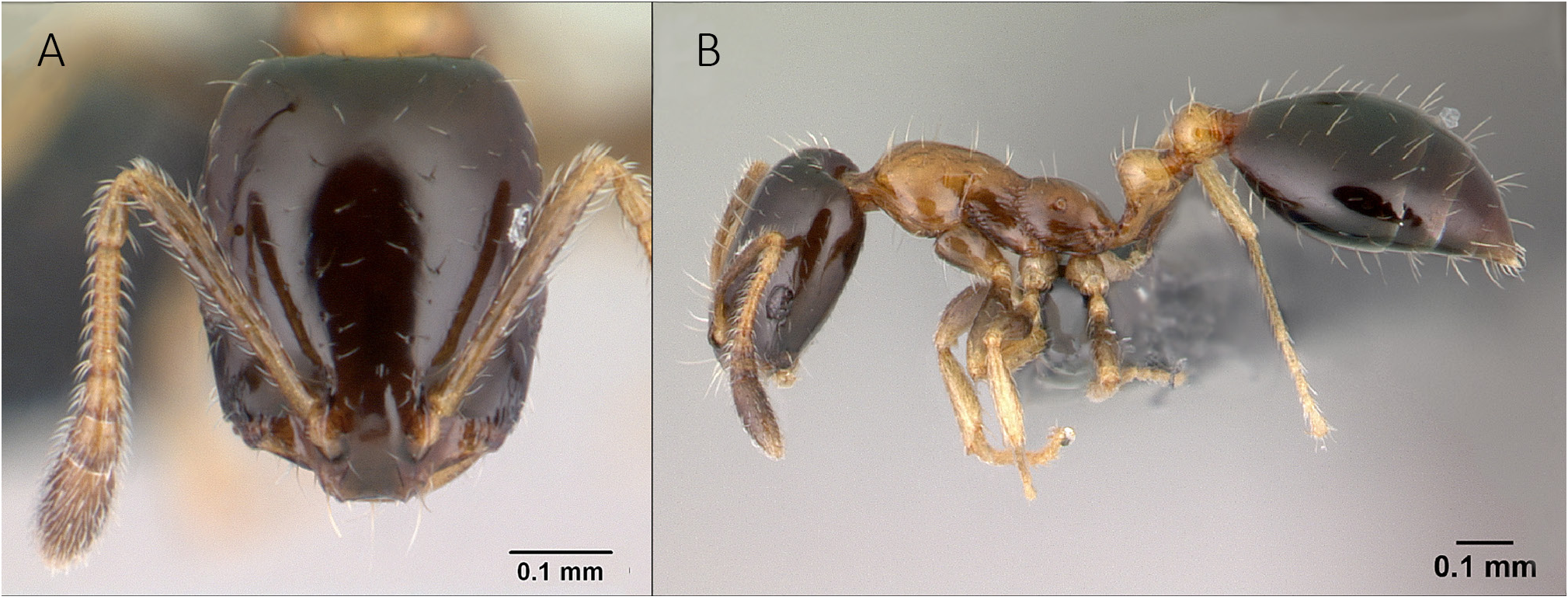
Distribusieng
DISTRIBUTION. — Afrotropical Region: Cameroun, Comoros, Ghana, Nigeria, Togo, United Republic of Tanzania. Australasian Region: Australia, New Caledonia, Norfolk Island. Indo-Australian Region: Borneo, Cook Islands, Fiji, French Polynesia, Guam, Hawaii, Indonesia, Kiribati, Krakatau Islands, Malaysia, Marshall Islands, Micronesia (Federated States of), New Guinea, Niue, Northern Mariana Islands, Palau, Philippines, Samoa, Solomon Islands, Tokelau, Tonga, Vanuatu, Wallis and Futuna Islands. Malagasy Region: Mauritius, Mayotte, Réunion, Seychelles. Nearctic Region: United States. Neotropical Region: Anguilla, Bahamas, Barbados, Brazil, Cayman Islands, Chile, Colombia, Costa Rica, Cuba, Dominican Republic, Ecuador, El Salvador, French Guiana, Galapagos Islands, Greater Antilles, Grenada, Guadeloupe, Guatemala, Guyana, Haiti, Lesser Antilles, Mexico, Paraguay, Puerto Rico, Suriname, Trinidad and Tobago. Oriental Region: India (type locality), Laos, Nicobar Island, Sri Lanka, Thailand, Vietnam. Palaearctic Region: China, Japan, Republic of Korea, United Kingdom of Great Britain and Northern Ireland. Exotic to French Guiana.

Sumber: Tree-dwelling ant survey (Hymenoptera, Formicidae) in Mitaraka, French Guiana
Biologi & Ekologieng
(27). Common locally about houses, not far from sealevel. Formicarium made in crevices of walls, & c. The workers. are diurnal (perhaps nocturnal also). They are attracted by sweet substances, and by dead animal matter; when they find these they remain a long time to feed, but appear to carry nothing away. It would seem that the females came out to forage with the workers, or alone. I have found them on tables, & c. The workers move about singly, or four or five follow each other in a line; they cannot walk rapidly. N. B. - Differs from No. 10 not only in colour, but in the proportion of joints ofthe antenna.
Sumber: Formicides de l'Antille St. Vincent. Récoltées par Mons. H. H. Smith.
Biologi & Ekologieng
Habitat / Ecology. This species appears very common in Singapore and was often found in a broad variety of different habitats across the disturbance spectrum, including: abandoned plantation and waste woodland secondary forests, disturbed secondary forest fragments in urban or semi-urban settings, gardens, mangroves, sometimes even in urban infrastructure including buildings. In mangroves, nests were found in bark of dead tree trunks, and also in dead twigs on trees, usually with multiple queens per colony. Colonies have also been found in hollow twigs of mangosteen trees and in withered bamboo.
Sumber: Remarkable diversity in a little red dot: a comprehensive checklist of known ant species in Singapore (Hymenoptera: Formicidae) with notes on ecology and taxonomy